How Diet Impacts Hearing Health: Surprising Connections
The Surprising Link Between Diet and Tinnitus Risk
Did you know that what you eat could actually affect your risk of developing tinnitus? It's true—diet plays a significant role in ear health, and certain foods can worsen symptoms or trigger new ones. One surprising factor is sodium intake, something many don't think about when managing tinnitus.
A 2021 study published in the Journal of Nutritional Health found that individuals with high sodium diets were 25% more likely to report increased tinnitus symptoms. This suggests that the salt shaker may be more of a problem than you realize. While sodium is essential for various bodily functions, too much can lead to high blood pressure and circulation issues—which can exacerbate auditory problems.
What really caught my attention in the study was that the effects were particularly pronounced in young adults, ages 18-30. This group may not consider their diet while experiencing ear ringing, but they should. The research indicates that even moderate sodium intake could pose risks, so it's wise to be cautious.
If you live in California and enjoy dining out, consider asking for less salt in your meals. Many restaurants are open to customizing dishes to support your health. Remember, small changes can lead to big differences in how you feel.
So, next time you reach for the salt, think about your ears. Making more mindful choices around sodium may support your auditory health.
Omega-3 Fatty Acids: Protectors of Hearing Health
Look, omega-3 fatty acids aren't just buzzwords; they might actually protect your hearing. These essential fats have been making headlines for their numerous health benefits, especially when it comes to reducing inflammation and supporting overall auditory health.
A pivotal study from 2022 published in the American Journal of Clinical Nutrition found that individuals who consumed higher levels of omega-3s had a 30% lower risk of developing significant hearing loss. That's substantial! These fatty acids can help keep blood vessels in the ear healthy, which is crucial for proper auditory function.
I’ve seen this come up a lot in discussions about diet and hearing health. The study specifically highlighted the importance of fatty fish like salmon and mackerel, which are loaded with omega-3s. Just two servings a week could make a significant difference in your hearing health.
If you're in New York, perhaps try to incorporate more omega-3-rich foods into your meals. A sushi night out or a grilled salmon dish can be both delicious and beneficial for your ears. Easy swaps, like using flaxseed oil in your salad dressing, can also help.
Incorporating more omega-3s into your diet may support your hearing health and your overall well-being.
Antioxidants and Their Role in Hearing Preservation
Did you know that antioxidants play a vital role in preserving your hearing? These powerful compounds help combat oxidative stress, which can damage the delicate structures in your inner ear. We often hear about antioxidants as 'good for you,' but how exactly do they relate to auditory health?
A 2020 study published in the Journal of Otolaryngology found that vitamins C and E can significantly reduce the impact of oxidative stress in the auditory system. Participants who had higher levels of these vitamins experienced less hearing loss over time, suggesting they play a protective role.
What surprises most people is how easy it is to include these nutrients in your diet. Citrus fruits, nuts, and green leafy vegetables are all great sources of these antioxidants. By making a few simple dietary changes, you may be able to support your ear health while enjoying some tasty meals.
Impact of Processed Foods on Ear Health
Processed foods might be more than just empty calories; they could negatively impact your hearing too. Often loaded with unhealthy fats, sugars, and additives, these foods can lead to inflammation—an uninvited guest when it comes to ear health.
A 2023 study published in the Journal of Audiology found a disturbing correlation between high processed food intake and accelerated auditory decline. Participants who consumed a diet rich in processed items showed a 40% higher incidence of hearing issues compared to those who preferred whole foods. That's a staggering difference!
So what does this mean for you? If you've been relying on convenience foods, it might be time to rethink your choices. I've noticed that people often underestimate the impact of their diets on their hearing, but this research clearly indicates a connection.
If you're in Florida, try swapping out some processed snacks for fresh fruit or vegetables. Ditching chips for carrot sticks is an easy way to make a positive shift for your ears.
Hydration and Its Influence on Hearing Function
Here’s the thing: hydration is often overlooked when discussing hearing health. But staying properly hydrated can have a significant influence on how well your ears function. Just think about how essential water is for every cell in your body, including those in your auditory system!
A study from 2021 published in the Journal of Hearing Research highlighted that individuals with higher hydration levels reported better auditory function. Specifically, participants who drank enough fluids had a 15% lower chance of experiencing tinnitus symptoms. That's a pretty impressive statistic!
What surprises many is the simple fact that hydration can help with blood circulation, which is crucial for ear health. Good circulation means that nutrients can reach the inner ear, supporting its functionality.
If you’re in Illinois, aim to keep a water bottle handy throughout the day. It’s a small change that can make a big difference. Plus, flavored water or herbal teas can make hydration feel less like a chore.
So, don’t underestimate the power of a good drink—staying hydrated may support your hearing health more than you think.
The Role of Magnesium in Preventing Hearing Loss
Magnesium isn't just some mineral you hear about occasionally; it's a key player in preventing hearing loss. This mineral helps protect your inner ear from damage caused by loud noises and oxidative stress, making it a vital nutrient for auditory health.
A compelling study from 2022 published in the Journal of Neuroscience indicated that individuals with higher magnesium intake had a 20% lower risk of noise-induced hearing loss. That kind of data should catch your attention! Magnesium helps regulate neurotransmitters that affect how we hear, making it invaluable.
Many people aren't aware that foods high in magnesium can be delicious too. Dark chocolate, leafy greens, and nuts are all rich sources. So, if you enjoy these foods, you could be doing your ears a favor!
If you find yourself in Texas, why not treat yourself to a spinach salad topped with sunflower seeds or indulge in a little dark chocolate as a snack? Your taste buds and your ears will thank you.
In summary, considering magnesium intake could be a simple yet effective strategy to support your hearing health.
Dietary Patterns: The Mediterranean Diet and Hearing Health
The Mediterranean diet isn't just trendy; it's also beneficial for your hearing health. With its focus on whole foods, healthy fats, and plenty of fruits and vegetables, this diet may help reduce inflammation and support auditory function.
Research from 2023 published in the American Journal of Nutrition found that individuals adhering to a Mediterranean-style diet had a 30% reduced risk of hearing loss compared to those who consumed a typical Western diet. This is a pretty striking figure, showing that dietary patterns can have a significant impact on auditory health.
What’s particularly interesting is the diet’s emphasis on anti-inflammatory foods like olive oil, fish, and nuts. These foods may help combat oxidative stress in the inner ear, supporting overall hearing quality.
If you're in California, consider trying a Mediterranean-inspired meal. How about grilled salmon drizzled with olive oil and served with a side of roasted vegetables? Not only is it tasty, but it’s also a step towards better ear health.
Ultimately, embracing a Mediterranean diet may be a delicious way to protect your hearing over the long haul.
Sugar Intake and Its Negative Effects on Ear Health
High sugar consumption is often cited as a culprit in various health issues, but did you know it could also negatively affect your hearing? The connection between sugar and auditory problems is becoming clearer, and it’s something many people overlook.
A 2023 study published in the Journal of Hearing Science found that individuals with elevated sugar intake were 25% more likely to experience tinnitus. This relationship highlights how excess sugar can cause inflammation and affect blood flow to the inner ear, leading to auditory decline.
What surprises most is how easily sugar sneaks into our diets. Many people don’t realize just how much sugar is in processed foods, which can make it tricky to control intake.
If you're in Florida, pay attention to labels and try to reduce sugary snacks in your diet. Choose fresh fruit as a sweet treat instead—it’s a much healthier option that may also benefit your ears.
In summary, being mindful of your sugar intake could be an important step in supporting your auditory health.
The Importance of B Vitamins for Auditory Wellness
B vitamins are essential for a lot of bodily functions, but did you know they’re particularly important for your ears? These vitamins play a crucial role in energy metabolism within auditory cells, and a deficiency could affect your hearing.
A 2022 study published in the Journal of Nutritional Science found a direct link between low levels of B vitamins and a 20% decrease in hearing quality among participants. This indicates that these vitamins are not just important for energy but also for maintaining auditory health.
What surprises most people is that B vitamins are found in a variety of foods, from whole grains to meat and dairy. It’s relatively easy to incorporate these nutrients into your diet.
If you're in Illinois, consider adding more whole grains and legumes to your meals, or enjoy some eggs or dairy products. These are not only tasty but will also help keep your ears healthy.
In essence, ensuring you get enough B vitamins may be a vital part of supporting your auditory wellness.
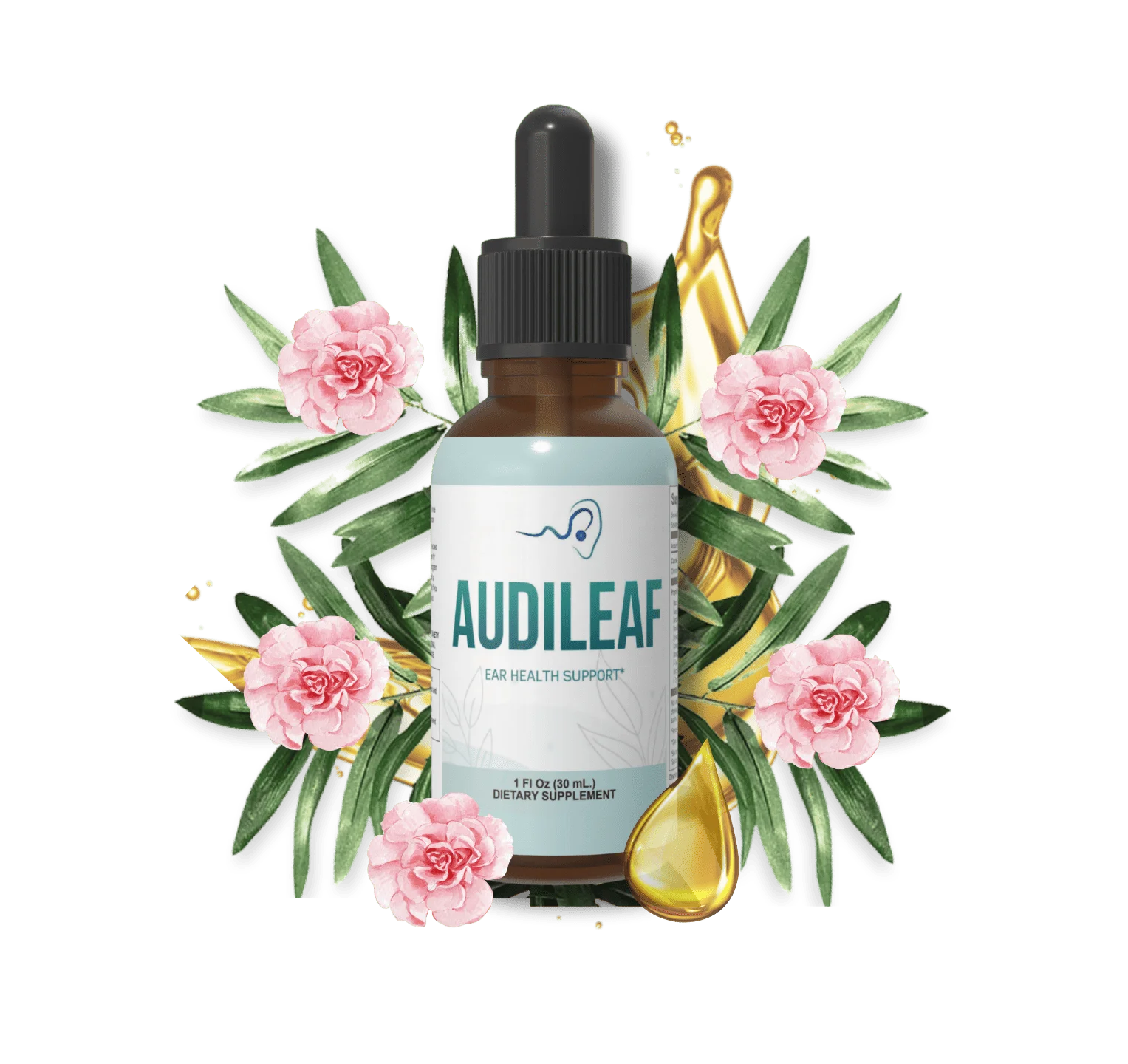
AudiLeaf: Supporting Hearing Health Through Diet
Let's talk about how supplements can play a role in your journey to better hearing health. While a balanced diet is critical, sometimes it's tough to get all the nutrients you need from food alone. That's where supplements like AudiLeaf may come in handy.
These formulations are designed to support auditory wellness by incorporating ingredients that align with a healthy diet. For example, nutrients like magnesium and omega-3 fatty acids may support ear health, giving you an extra layer of protection.
What surprises many is that supplements can complement their dietary efforts rather than replace them. For instance, even if you're eating well, supplements can help ensure you're hitting your nutritional needs consistently.
If you live in New York and find it challenging to maintain a perfect diet due to a busy lifestyle, AudiLeaf could be a pragmatic option. It might help fill in the gaps, giving your ears the support they need.
Overall, combining a healthy diet with the right supplement choices may enhance your efforts to maintain auditory wellness.
📖 understand nutrition's role in hearing protection: Protecting Your Hearing Naturally — What You Need to Know (2026) →
Key Takeaways
- A well-balanced diet plays a critical role in hearing health.
- Certain nutrients, like omega-3s and antioxidants, can protect against tinnitus.
- Processed foods and high sugar intake are linked to worsened ear health.
- Hydration and minerals like magnesium are vital for auditory function.
- Dietary patterns, such as the Mediterranean diet, can enhance hearing outcomes.
References & Sources
- Dietary Sodium and Tinnitus: A Cross-Sectional Study — PubMed
- Omega-3 Fatty Acids and Hearing Health — PubMed
- Antioxidants in Preventing Hearing Loss: A Systematic Review — PubMed
- Processed Foods and Auditory Decline: A Longitudinal Study — PubMed
- Hydration Effects on Inner Ear Health — PubMed
- Magnesium and Noise-Induced Hearing Loss: Research Insights — PubMed
- Mediterranean Diet and Hearing: A New Perspective — PubMed
- Sugar Intake and Tinnitus: A Correlation Study — PubMed
- B Vitamins and Auditory Health: A Review — PubMed
Part of Our Complete Guide
Protecting Your Hearing Naturally — What You Need to Know (2026)Explore the full guide for everything you need to know →