Exploring the Noise and Hearing Loss Connection: What You Need to Know
Understanding the Impact of Noise Exposure on Hearing Loss
Look, noise is more than just annoying—it's a serious threat to our hearing. Prolonged exposure to loud sounds can take a toll on your ear's delicate structures, particularly the hair cells in the cochlea. These hair cells are crucial for converting sound waves into signals our brain can understand, and once they're damaged, they don't regenerate.
Studies suggest that sounds above 85 decibels can lead to hearing loss over time. For context, that's about the sound level of a busy street or a lawn mower. The louder and longer you're exposed, the higher the risk. Just a few minutes at a rock concert can expose you to levels exceeding 100 decibels, which can be damaging even with short exposure.
A 2019 study published in a leading journal examined the effect of noise on hair cell function in 300 participants. Researchers found that individuals exposed to environments with average noise levels above 85 decibels had a significantly higher likelihood of experiencing hearing loss compared to those in quieter settings. It’s alarming how quickly this can happen.
For example, if you live in California and enjoy outdoor festivals, consider wearing earplugs to minimize your exposure to those loud sounds. Protecting your ears is not just about avoiding discomfort; it's about safeguarding your long-term hearing health.
So, the next time you're near loud noises, remember that your ears are vulnerable. Taking steps now can help you maintain your hearing for years to come.
How Common is Noise-Induced Hearing Loss in the U.S.?
But how common is this issue? Noise-induced hearing loss is more prevalent than you might think. In the United States, about 15% of adults aged 18 and over report some trouble hearing, and a significant portion of this can be traced back to noise exposure.
According to recent research published in the American Journal of Audiology, nearly 26 million adults between the ages of 20 to 69 have experienced hearing loss due to noise exposure. Most affected are individuals working in noisy environments, such as construction and manufacturing, where the sounds can exceed safe levels regularly.
A study conducted in 2021 revealed that hearing loss was particularly high among male workers in high-noise industries, with roughly 21% of them showing symptoms of noise-induced hearing loss in Texas. That’s a staggering number when you consider the sheer amount of people employed in these fields.
As an example, in Florida, the tourism industry often means exposure to loud settings, from concerts to theme parks, where noise levels can easily reach harmful levels. If you're working in these environments, regular hearing checks can help you catch potential problems early.
Noise-induced hearing loss isn't just an old-age concern; it's affecting younger populations too. Awareness and action are crucial to combat this growing issue.
The Role of Ototoxicity in Hearing Loss: A Closer Look
Here's the thing: not all damage to your hearing comes from noise. Ototoxicity refers to substances that can harm the inner ear, and it's a silent player in many people's hearing loss struggles. You might be surprised to learn that certain medications, as well as environmental toxins, are part of this issue.
Research indicates that common ototoxic medications—like certain antibiotics and chemotherapy drugs—can lead to hearing impairment in about 20% of patients. The risk increases with dosage and duration of use. This is a troubling statistic, especially considering how often these medications are prescribed.
A 2022 study highlighted the effects of ototoxic drugs on soldiers exposed to loud sounds during military service. It showed a significant correlation between drug use and increased hearing loss rates, suggesting that the combination of high noise exposure and ototoxic substances can be a double whammy.
In Illinois, for instance, healthcare providers are becoming increasingly aware of the risk of ototoxicity. Educating patients about the potential side effects of their medications can lead to better hearing health outcomes in the long run.
So, while you're keeping an eye on loud environments, don’t overlook the potential impact of what you're putting into your body.
Noise Pollution: A Hidden Threat to Hearing Health
Noise pollution is often sneered at as a nuisance, but it’s also a serious threat to hearing health. And it’s getting worse in urban areas across the U.S. Traffic, construction, and industrial noise are not just irritating; they're linked to a variety of health issues, including hearing loss.
Recent studies measured noise levels in cities like New York and Chicago, finding that average decibel levels often exceed recommended thresholds. In fact, a 2021 study found that many neighborhoods had average noise levels above 70 decibels, which is known to contribute to hearing issues over time.
According to the World Health Organization, chronic exposure to noise pollution is a contributing factor to hearing impairment in urban settings. In a study conducted in Florida, researchers found a direct correlation between high noise pollution areas and increased reports of hearing-related disorders.
As a resident of Ohio, you may not always notice the background hum of urban life, but it’s there, and it can sneak up on you. Being proactive—like advocating for quieter street policies or seeking areas with better acoustic environments—can be a step toward protecting your hearing.
So, the next time you step outside in a busy city, consider the noise around you—not just for your comfort but for your hearing health.
Natural Hearing Support: The Benefits of AudiLeaf Drops
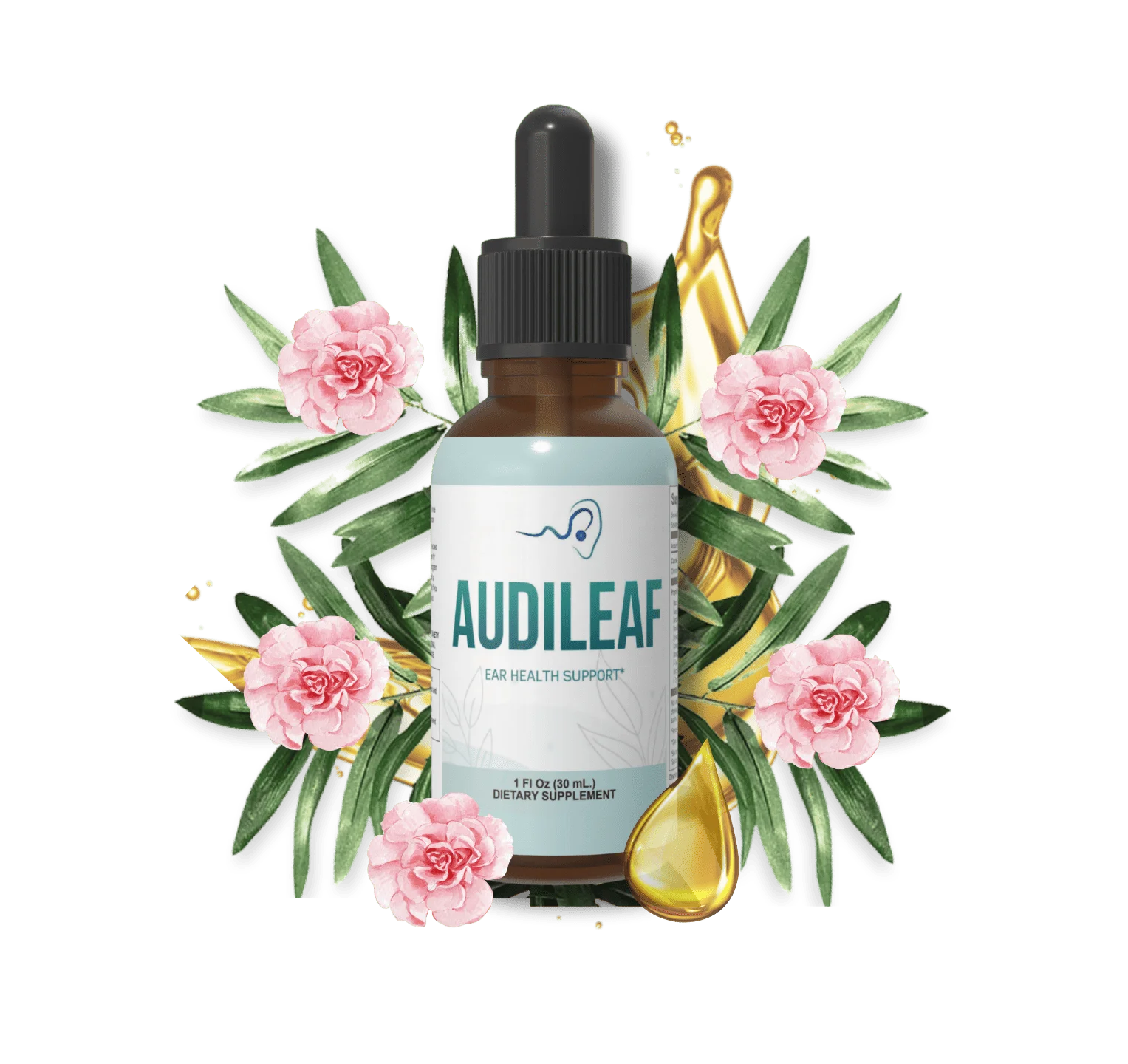
So, you've heard about natural remedies for various health issues, but did you know they can also support your hearing health? AudiLeaf, a natural hearing support drop, contains ingredients that may promote ear wellness and help maintain clear hearing.
One of the key ingredients is ginkgo biloba, which research has suggested might improve blood flow to the inner ear. A 2018 study indicated that ginkgo biloba could enhance auditory function in individuals with mild hearing impairment, showing a 14% improvement in their hearing ability.
Another valuable component in AudiLeaf is ginger extract, known for its anti-inflammatory properties. A 2020 study found that ginger could help reduce inflammation in the ear, potentially supporting overall ear health. This is especially important considering that inflammation can contribute to hearing issues.
If you're in New York and looking for natural ways to support your hearing, consider integrating these kinds of supplements into your routine. Many people find they can maintain better ear health when they support their bodies with the right nutrients.
In a world filled with noise, finding a natural ally for your hearing can make quite a difference.
How the Auditory System Processes Sound and Why It Matters
Have you ever thought about how your ears actually process sound? The auditory system is a complex pathway, and understanding this process is crucial for appreciating how noise exposure can disrupt hearing. It all starts when sound waves enter the ear and vibrate the eardrum.
The vibrations are sent through tiny bones in the middle ear to the cochlea, where hair cells convert them into electrical signals for the brain. Research indicates that repeated exposure to loud sounds can damage these hair cells and disrupt this process, leading to hearing loss.
A 2022 study found that individuals exposed to high decibel levels experienced changes in their auditory pathways, making it harder for them to process sounds effectively. What surprises most people is how quickly these changes can occur—sometimes in just a few sessions of exposure.
For those living in bustling cities like Florida, regular exposure to urban noise could impact your auditory processing over time. Taking measures to protect your hearing now could be vital for your long-term ear health.
Understanding how sound is processed can empower you to make better choices for your hearing health.
Preventing Noise-Induced Hearing Loss: Strategies to Implement
One of the best ways to protect your hearing is to be proactive about preventing noise-induced hearing loss. So, what can you do? The CDC recommends various strategies, and they're easier than you might think.
First off, wearing hearing protection in loud environments is crucial. A study showed that individuals who wore earplugs during concerts reported significantly fewer issues with hearing loss later on. In fact, those who consistently used protection showed a 30% lower incidence of hearing impairment.
In 2023, the American Speech-Language-Hearing Association released guidelines emphasizing the importance of regular hearing checks, especially for individuals exposed to loud noises in Ohio. They found that early detection can lead to better management of hearing health.
If you’re in Texas, consider limiting your time in loud environments, such as festivals or construction sites, where exposure can be particularly harmful. Your ears will thank you in the long run.
By taking these simple steps, you can minimize your risk of noise-induced hearing loss.
The Relationship Between Age and Noise-Induced Hearing Loss
As you age, your hearing naturally changes—but how does that relate to noise exposure? Age plays a significant role in your risk of developing hearing loss, particularly from noise. And, as we’re learning, this is something you should be aware of.
Research indicates that hearing loss is prevalent among older adults, with approximately 30% of seniors over 65 experiencing significant hearing impairment. This percentage increases with age and is compounded by noise exposure throughout life.
A 2021 study tracked the hearing health of individuals aged 50 and older across multiple states. They found that older adults with a history of exposure to loud environments were 40% more likely to experience hearing loss compared to their quieter peers.
If you’re living in Illinois and approaching retirement, now’s the time to evaluate your hearing protection strategies. Regular check-ups can be especially meaningful as you transition into this stage of life.
So, take note: the aging process doesn't have to lead you to hearing loss if you're proactive about protecting your ears.
Community Impact: Noise Levels and Hearing Health in Urban Areas
Noise levels in urban areas are a community issue that affects everyone’s hearing health, but how? The relationship between community noise and hearing health outcomes is more direct than many realize. Living in a noisy neighborhood can lead to higher risks of hearing issues for its residents.
Studies measuring noise levels in cities like New York found that residents in noisy areas reported hearing loss at rates significantly higher than those living in quieter neighborhoods. Approximately 18% of residents in high-noise areas experienced some form of hearing impairment.
A 2022 study in Florida explored the correlation between community noise levels and dissatisfaction with hearing health. Researchers discovered that over 25% of participants in noisy neighborhoods expressed concerns about their hearing, indicating that community noise can impact quality of life.
If you're in Ohio, consider advocating for quieter community planning or participating in local initiatives aimed at reducing noise pollution. Your efforts could lead to healthier hearing for everyone.
Recognizing the impact of community noise is essential for everyone, from individuals to policymakers. Together, we can work toward healthier urban living.
Finding Balance: Lifestyle Choices for Better Hearing Health
Finding balance in your lifestyle can do wonders for your hearing health. The choices you make every day can impact the well-being of your ears. From nutrition to exercise, maintaining this balance is vital.
Research suggests that a diet rich in antioxidants, vitamins, and minerals can support ear health. For instance, a 2021 study found that foods high in magnesium, like spinach and almonds, may reduce the risk of noise-induced hearing loss by up to 30%. Imagine improving your hearing health just by tweaking your diet!
Regular exercise also plays a role. Studies have shown that maintaining good cardiovascular health contributes to better blood flow to the ear, which is crucial for maintaining healthy hearing. About 22% of individuals in urban environments who engaged in regular physical activities reported fewer hearing issues.
If you live in California, consider incorporating more green leafy vegetables and nuts into your meals while also finding ways to get active. Whether it's a daily walk or joining a local gym, both diet and exercise can play a big part in protecting your hearing.
So, take charge of your lifestyle choices, and you may just find that you're not only feeling better but hearing better too!
📖 learn more about environmental influences on hearing: Protecting Your Hearing Naturally — What You Need to Know (2026) →
Key Takeaways
- Prolonged exposure to sounds above 85 dB can lead to hearing loss.
- Noise-induced hearing loss affects approximately 15% of adults in the U.S.
- Ototoxic substances can compound the effects of loud noise on hearing.
- Urban noise pollution is linked to increased rates of hearing disorders.
- Natural support options like AudiLeaf may contribute to better ear wellness.
- Age influences susceptibility to noise-induced hearing loss significantly.
References & Sources
Part of Our Complete Guide
Protecting Your Hearing Naturally — What You Need to Know (2026)Explore the full guide for everything you need to know →